An introduction to void filling, localized ground treatment and grouting decisions for infrastructure and construction projects in Saudi Arabia.
Key principle: The right investigation is the one that reduces uncertainty around a defined engineering decision. GPR and other methods should be selected and reported with their limitations, not marketed as universal detection tools.
Start with the defect, not the grout
Grouting should respond to a defined problem such as a confirmed void, loss of support, excessive permeability or weak localized ground. Selecting a technique before understanding the mechanism can waste material or move the problem elsewhere.
Investigation before treatment
Records, boreholes, probing and geophysical methods can help define the geometry of the treatment zone. The investigation should determine what is known, what remains uncertain and where verification is required.
Common control parameters
Depending on the method, control may involve injection pressure, volume, stage length, refusal criteria, uplift monitoring and observations at adjacent services or structures. The design team should establish limits before work starts.
Verification after treatment
Verification can include monitoring injection records, repeat testing, probing, boreholes or suitable geophysical checks. The verification method should be linked to the original acceptance criteria rather than chosen after the work is complete.
Interfaces with utilities
Ground treatment near live utilities needs particular care. Utility mapping, exclusion zones and project permits should be integrated into the method statement before drilling or injection.
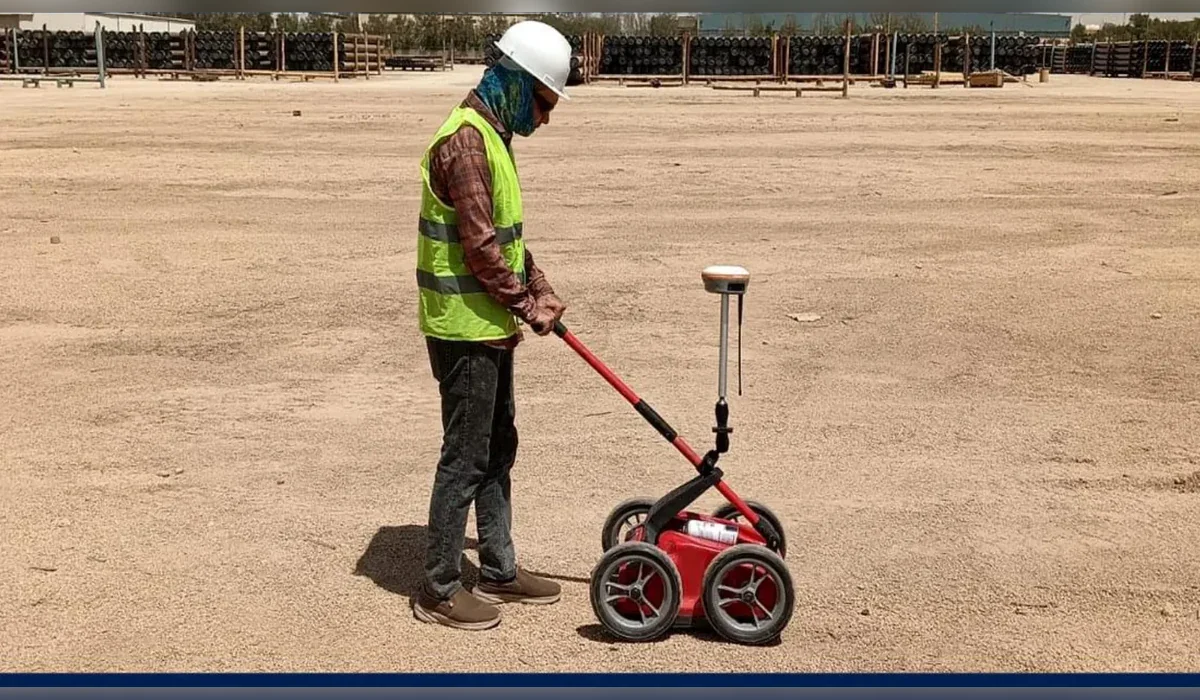
Plan the survey around the decision
Before mobilization, define the site limits, required outputs and what will happen after the survey. If an interpreted feature could change an excavation, drilling or design decision, agree in advance how that feature will be verified. This creates a defensible workflow and avoids treating a geophysical interpretation as absolute proof.