Saudi Arabia · Riyadh · Jeddah · Eastern Province · NEOMProject enquiries · Secure request form
Case study · Riyadh

Riyadh Helipad Concrete Scanning & Coring Clearance

Targeted concrete scanning at a Riyadh helipad to locate reinforcement and embedded features before coring, supporting safer drilling decisions in a critical structural environment.

LocationRiyadh
ServiceConcrete Scanning
ScopeTargeted helipad zones
Depth / targetStructural element-dependent
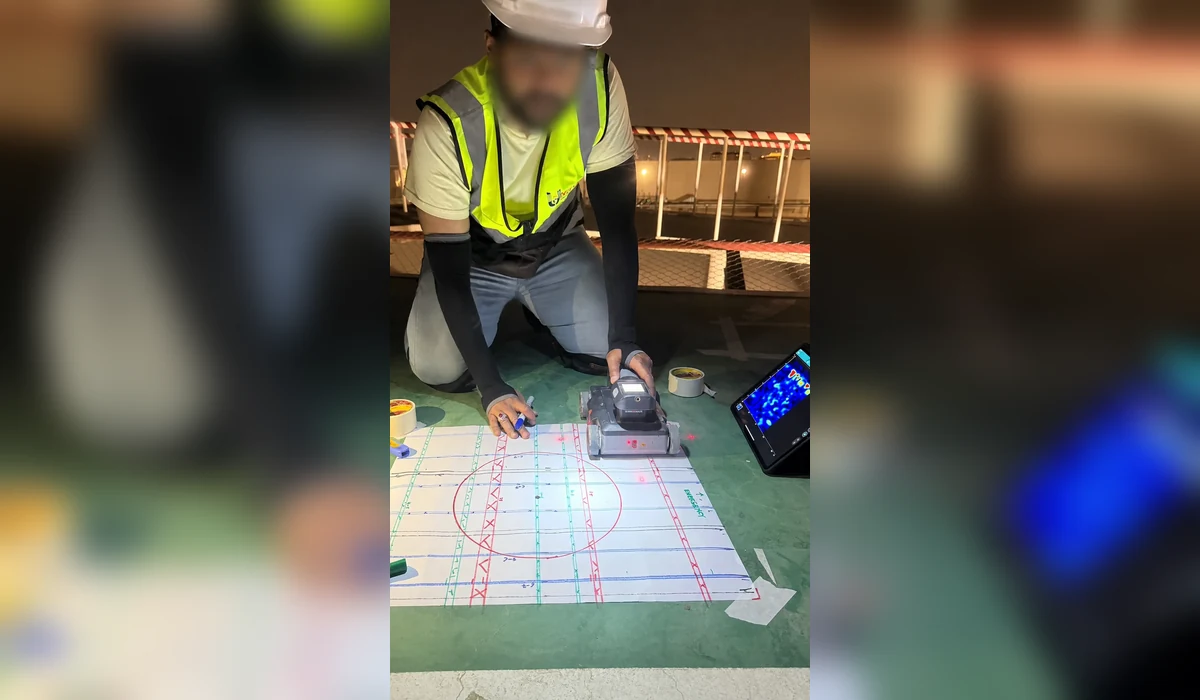
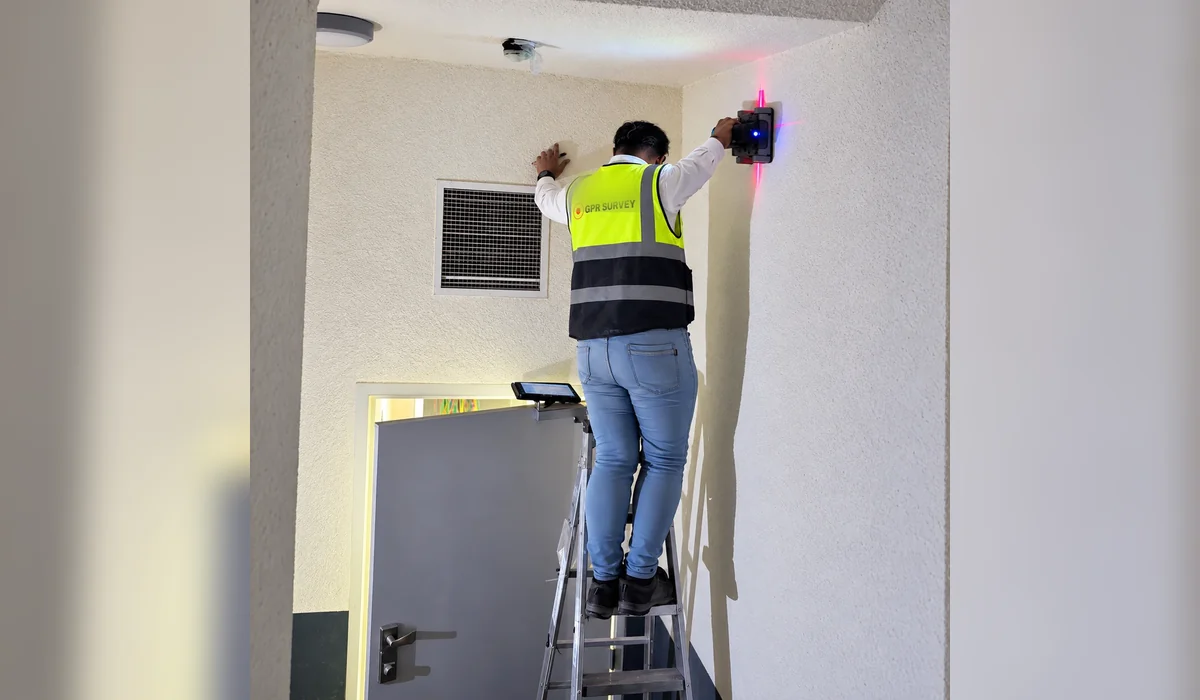
Technical field reference photo (not verified at this site)
Field reference photo (illustrative)
Project context

Why this investigation mattered

Helipad structural work carries a low tolerance for accidental damage. Cutting reinforcement or embedded services can create repair work, operational restrictions and additional engineering review.

The scanning task therefore had to be tied closely to the exact proposed core locations. Reinforcement patterns and isolated embedded responses needed to be interpreted in a way that was useful to the drilling team, not simply displayed as raw radar data.

Investigation strategy

Target zones were scanned at high resolution from the accessible surface, with survey directions selected to recognize reinforcement patterns and potential embedded features.

The field interpretation focused on proposed coring positions, with clear markings / guidance where the data supported a safer location and conservative treatment of areas where congestion or element geometry reduced certainty.
Field-to-report workflow

How the project information was developed

The workflow is documented so the case study provides engineering context—not just a marketing summary.

  1. 01
    Confirm proposed drilling/coring zones.
  2. 02
    Collect high-resolution concrete scans across each target area.
  3. 03
    Identify repetitive reinforcement patterns and isolated embedded responses.
  4. 04
    Relate findings directly to the proposed core positions.
  5. 05
    Provide field clearance guidance and document limitations.

Interpretation and engineering use

The investigation provided a non-destructive check before drilling into a critical structural element, reducing the likelihood of reinforcement damage, embedded-service strikes and avoidable repair work.

Quality control

  • Target zones scanned in more than one direction where practical.
  • Repetitive reinforcement responses distinguished from isolated anomalies.
  • Clearance decisions limited to the accessible scanned zone.
  • Uncertain areas treated conservatively.

Project deliverables

  • Targeted scan interpretation.
  • Rebar / embedded-feature information.
  • On-site markings or clearance guidance.
  • Technical notes / report as required.

Technical limitations

Concrete scanning is affected by reinforcement density, moisture, element thickness, accessible scan face and target orientation. A “clear” surface location is not a substitute for structural engineering approval where that is required.

Project FAQ

Questions this case study answers

Why scan before coring a helipad?

To reduce the risk of striking reinforcement or embedded services in a critical structural area.

Was the whole helipad scanned?

The recorded scope was targeted helipad zones associated with the planned work.

Can GPR identify every embedded object?

No. Detectability depends on geometry, depth, material contrast and reinforcement congestion.

Plan before you excavate

Need subsurface information for a project?

Send the site location, survey area or route length, target depth and available drawings through the project request form.